In the ever-evolving world of Stardew Valley, the arrival of Mr. Raccoon and his unique request system has become a cornerstone of the post-1.6 update experience. Appearing after the completion of the Giant Stump Quest, this new resident of Pelican Town offers players an endless stream of bundles to complete, rewarding their efforts with coveted items like the Raccoon Journal and the Jungle Tank. With no apparent limit to the requests one can fulfill, mastering this system is key to unlocking its full potential. But how can a farmer efficiently navigate these seemingly random demands? The answer lies in preparation, pattern recognition, and understanding the quirky economy of the raccoon family.

🌿 Prioritize Seasonal Foraging from Day One
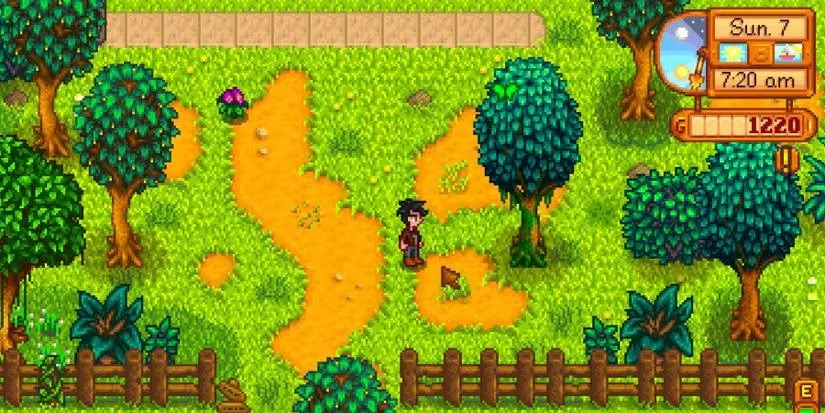
Mr. Raccoon has a particular fondness for the natural bounty of the valley. His requests frequently revolve around seasonal foragables, making proactive foraging one of the most critical strategies. Items such as various mushrooms, moss found on trees, and colorful coral are among his favorites. Why wait for a specific request to scramble through the forest? By making it a habit to thoroughly forage at the very start of each season, players build a substantial stockpile. This preemptive collection dramatically increases the chances of having the required items on hand the moment a new bundle is posted, turning what could be a week-long search into an instant completion.
🍳 Invest in Artisan Equipment Early
While foraged goods are common, Mr. Raccoon's palate is more sophisticated than one might expect. He regularly requests processed goods, which means a farmer's artisan game must be strong. To consistently meet these demands, players should prioritize unlocking and crafting key equipment as soon as resources allow:
-
The Dehydrator (
 ): Essential for creating dried fruits, a frequent request item.
 -
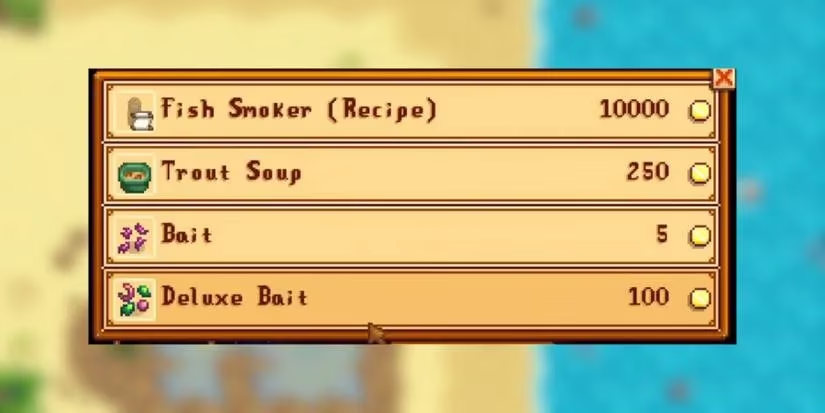
The Fish Smoker (
 ): Crucial for preparing smoked fish, another staple in the raccoon's diet.
 -
The Keg (
 ) & Preserves Jar (
 ): The backbone for producing jellies, pickles, and wines, which are highly favored.
Having a steady production line for smoked fish, dried fruits, jellies, and pickles transforms these bundles from daunting tasks into routine deliveries.
🏆 Aim for the Good Neighbors Achievement
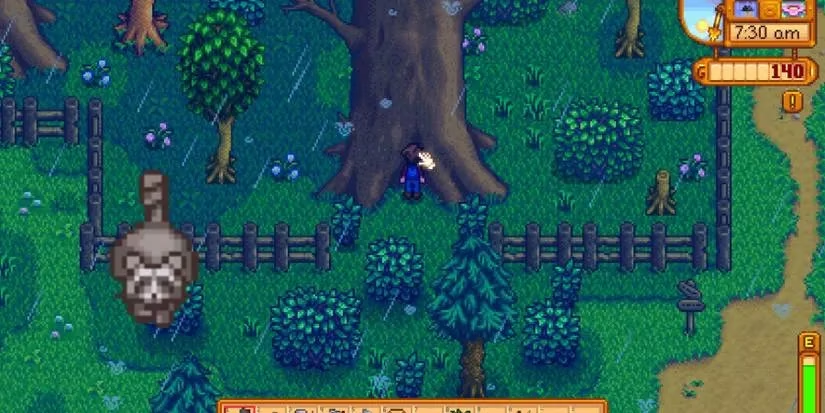
Beyond the individual rewards, there is a larger goal to consider: the Good Neighbors achievement. This is a 1.6-exclusive secret trophy that is unlocked by fulfilling eight Raccoon requests. For completionists, this is a non-negotiable target. However, even for those less concerned with achievements, there is a significant milestone at five completed bundles. Upon reaching this threshold, players gain full access to the Raccoon Shop, a unique barter-based store managed by Mr. Raccoon's wife. This shop is the only place to acquire certain rare items, making those first five completions a major priority for any serious farmer.

🗑️ Your Trash is Their Treasure: The Barter Economy
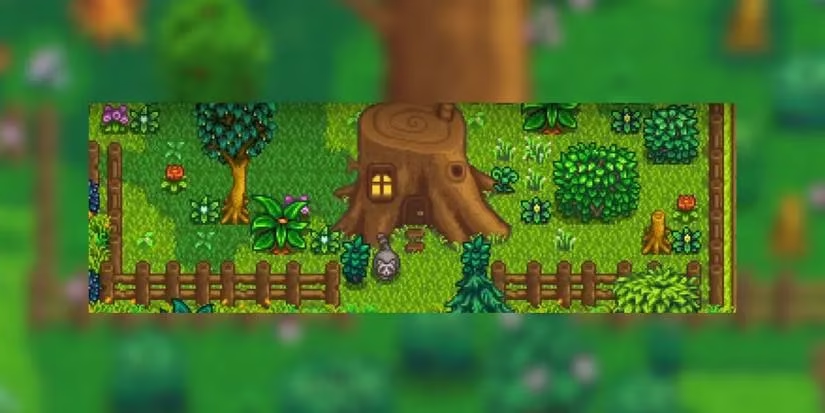
Perhaps the most charmingly peculiar aspect of the raccoon system is their shop's economy. The Raccoon Shop does not operate on gold; it operates on barter. And what does the raccoon family value? A farmer's trash. Items typically considered worthless, like Broken Glasses and Mixed Seeds, become valuable currency here. Saving these items instead of selling or discarding them is a brilliant long-term strategy. When traded to Mrs. Raccoon, this "trash" can be exchanged for highly desirable goods such as the Jungle Tank and new Seasonal Seed packs. This system encourages players to see value in every item they find, no matter how seemingly insignificant.
🔍 Decoding the Legacy Randomization Pattern
While each Raccoon Request is randomized, they are not pulled from the entire item pool of Stardew Valley. They operate on a Legacy Randomization system, meaning the possible choices for any given bundle are limited to a specific subset of items. By paying close attention to completed bundles, players can begin to recognize patterns. Does he often ask for a foraged item plus a processed good? Are certain fish only requested in specific seasons? Understanding these underlying patterns allows for predictive preparation. One can approach each new season not just reacting to requests, but anticipating them, ensuring that the necessary artisan goods are already in production and the relevant foraging zones are marked for regular visits.
📊 Predicting Bundle Types
Based on common patterns observed by the community, here is a table outlining the general categories of items Mr. Raccoon tends to request:
| Bundle Category | Common Item Examples | Recommended Preparation |
|---|---|---|
| Seasonal Forage | Morel, Chanterelle, Coral, Sea Urchin | Forage extensively in the first week of each season. |
| Processed Crops | Pickled Vegetables, Fruit Jelly, Dried Fruit | Maintain a steady supply of crops and keep Preserves Jars/Kegs/Dehydrators running. |
| Ocean Bounty | Smoked Sardine, Smoked Eel, Algae | Fish regularly and keep a Fish Smoker active. |
| Forest Finds | Moss, Maple Syrup, Pine Tar | Tap trees early and check farm trees for moss daily. |
| Miscellaneous | Specific Gems, Cave Carrots, Fiber | Keep a small stockpile of common mine and forest resources. |
By integrating these strategies—proactive foraging, industrial artisan production, targeted completion for shop access, savvy bartering, and pattern recognition—players can transform the Raccoon Requests from a puzzling chore into a streamlined and highly rewarding part of their Stardew Valley routine. The system, as of 2026, remains a testament to the game's depth, encouraging organization, foresight, and a newfound appreciation for the things one might otherwise throw away.