A whole new wave of farmers is about to get their boots muddy in Pelican Town. With Stardew Valley's inclusion in PlayStation Plus services as of 2026, thousands of new players are stepping off the bus for the first time, greeted by a rusty set of tools and a grandfather's legacy. The game’s cozy exterior is famously deceptive; beneath the charming pixel art lies a world of intricate systems and unspoken community wisdom. For the fresh crop of PlayStation farmers, understanding these unwritten rules from day one is the difference between a thriving homestead and a weedy, unprofitable mess. It’s all about working smarter, not harder.
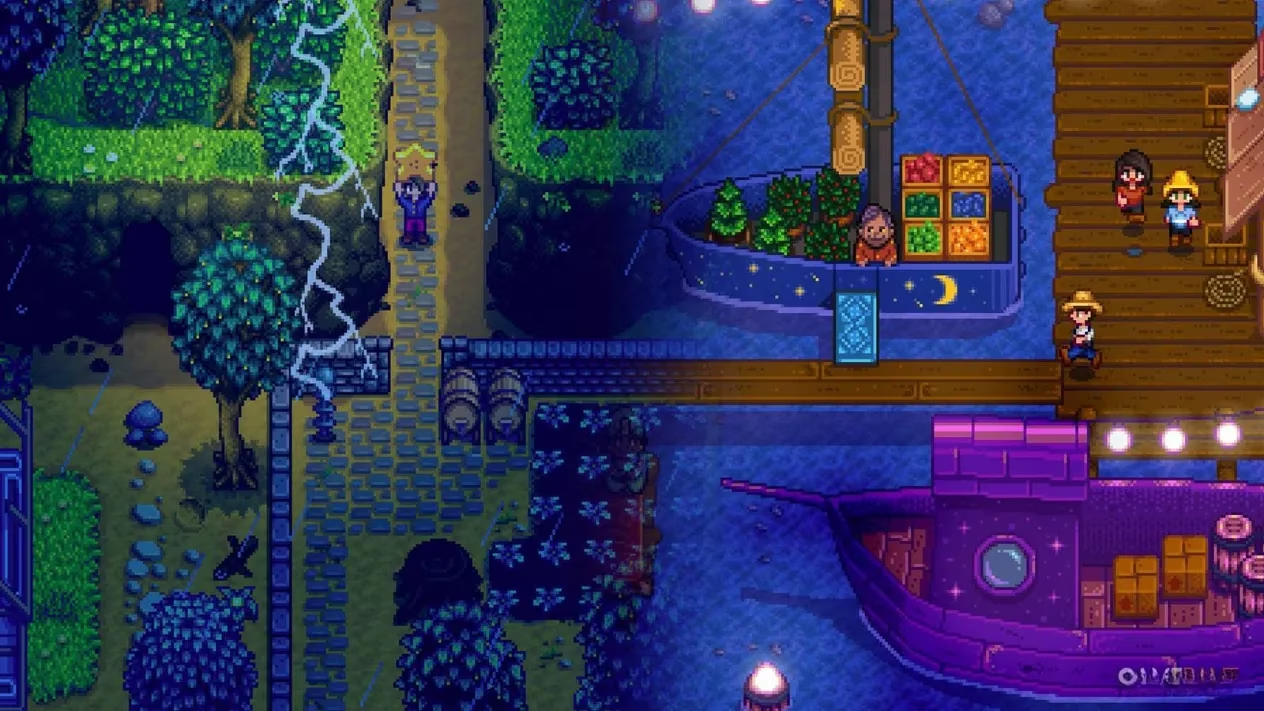
The Foundational Balance: Farming, Mining, and Exploration
Seasoned players know that Stardew Valley isn't just a farming sim; it's a masterclass in time and resource management. The farm is your blank canvas, sure, but it's also a complex puzzle. The most critical unwritten rule is achieving a triad of balance from Spring, Year 1:
-
Farming for Gold: Your primary, scalable income.
-
Mining for Resources: Essential for tool upgrades and crafting.
-
Exploration for Relationships & Quests: The soul of the valley and a source of unique rewards.
Ignoring any one pillar will create bottlenecks later. A player who only farms will lack the copper, iron, and gold for sprinklers and upgraded tools. A player who only mines will run out of cash for seeds and buildings. And a player who ignores the townsfolk misses out on recipes, storylines, and crucial quality-of-life gifts. The valley rewards the well-rounded farmer.
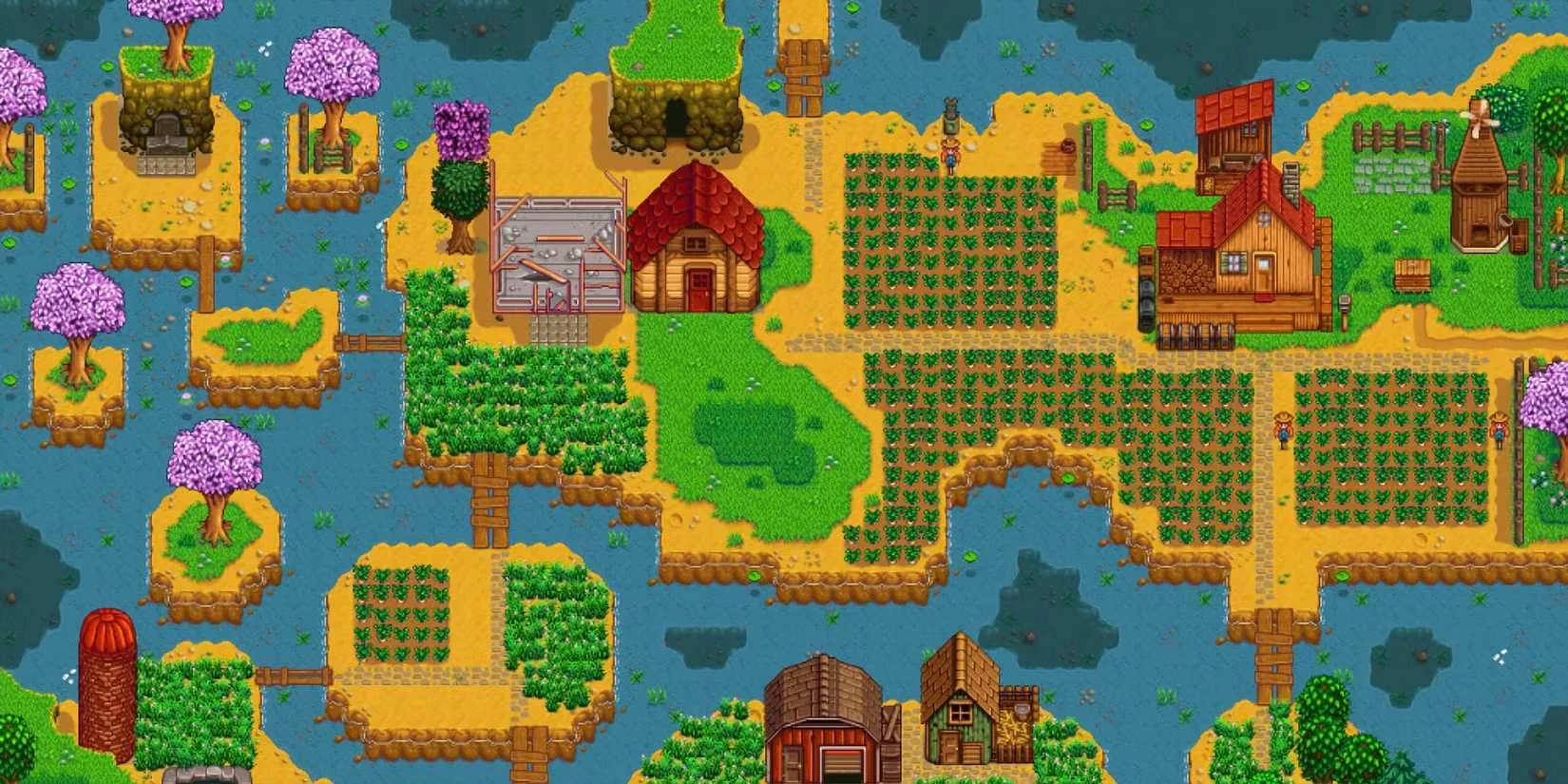
Smart Farming: Layouts and Investments That Pay Off
Your farm's layout is your legacy. While creativity is encouraged, efficiency is king. The pros follow a simple mantra: design for scalability. Don't just plant haphazardly; plan your fields with walking paths, future sprinkler placements, and barn/coop locations in mind.
| Early-Game Priority | Why It's an Unwritten Rule |
|---|---|
| Strategic Scarecrow Placement | Maximizes covered crop area and prevents heartbreaking crow attacks. Map their radius! |
| Access to Water Source | Place wells or plan fields near ponds to save time before getting quality sprinklers. |
| Leave Space for Future Buildings | Saves you the headache and gold of moving structures later on. |
When it comes to spending your hard-earned gold, the community's advice is clear: be bold with crops. It's tempting to play it safe with cheap parsnips and potatoes, but the real ROI comes from premium seeds.
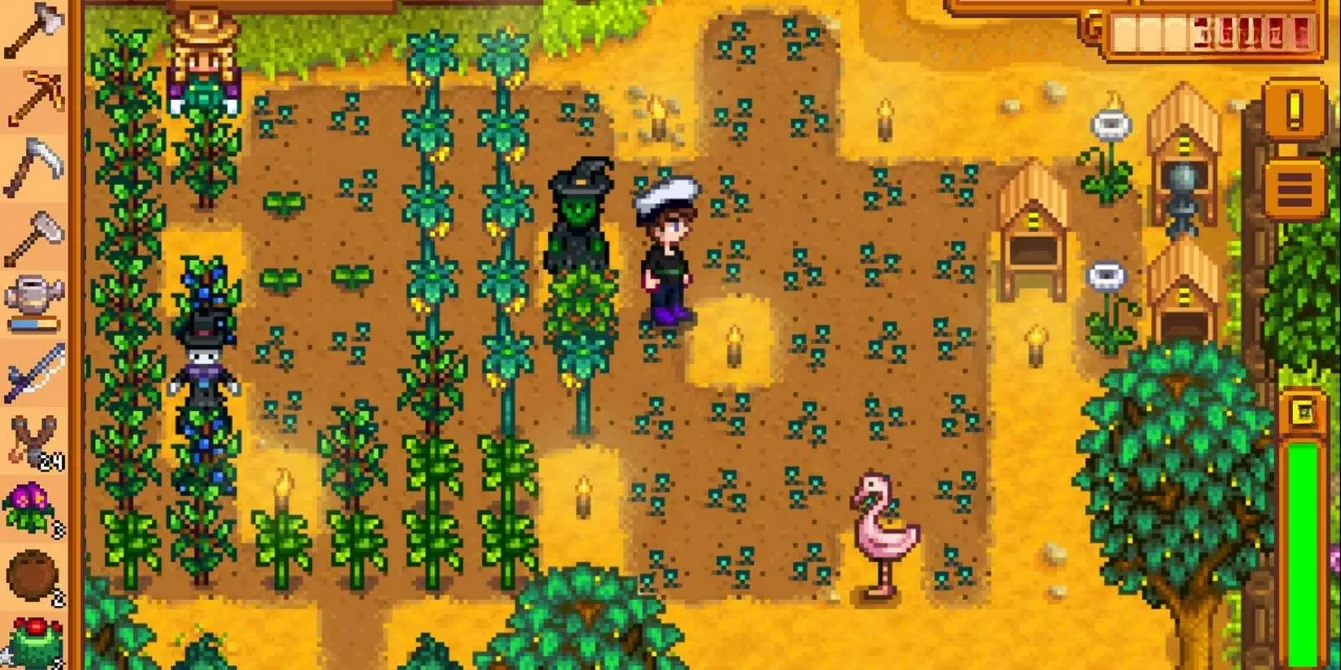
Pro-Tip: Strawberries (from the Egg Festival), Blueberries, and Cranberries are game-changers. They are repeating crops, meaning you plant once and harvest multiple times per season. This is the secret to exponential growth. Saving up for these seeds is always worth the initial investment.
Embracing the Valley's Rhythm: Downtime is a Myth
New players often hit a wall when crops aren't ready or during the sparse Winter season. The unwritten rule here? There is no true downtime. This is when Stardew's depth shines. Diversifying your activities is the ultimate key to avoiding burnout and steady progress.
-
Fishing: An excellent early-game moneymaker and source of Energy-restoring food.
-
Mining: Focus on reaching lower levels for better ores. Upgrade your pickaxe!
-
Foraging & Completing Help Wanted Quests: Easy cash and friendship points.
-
Socializing: Talk to everyone, give loved gifts (check the trash can... sometimes).
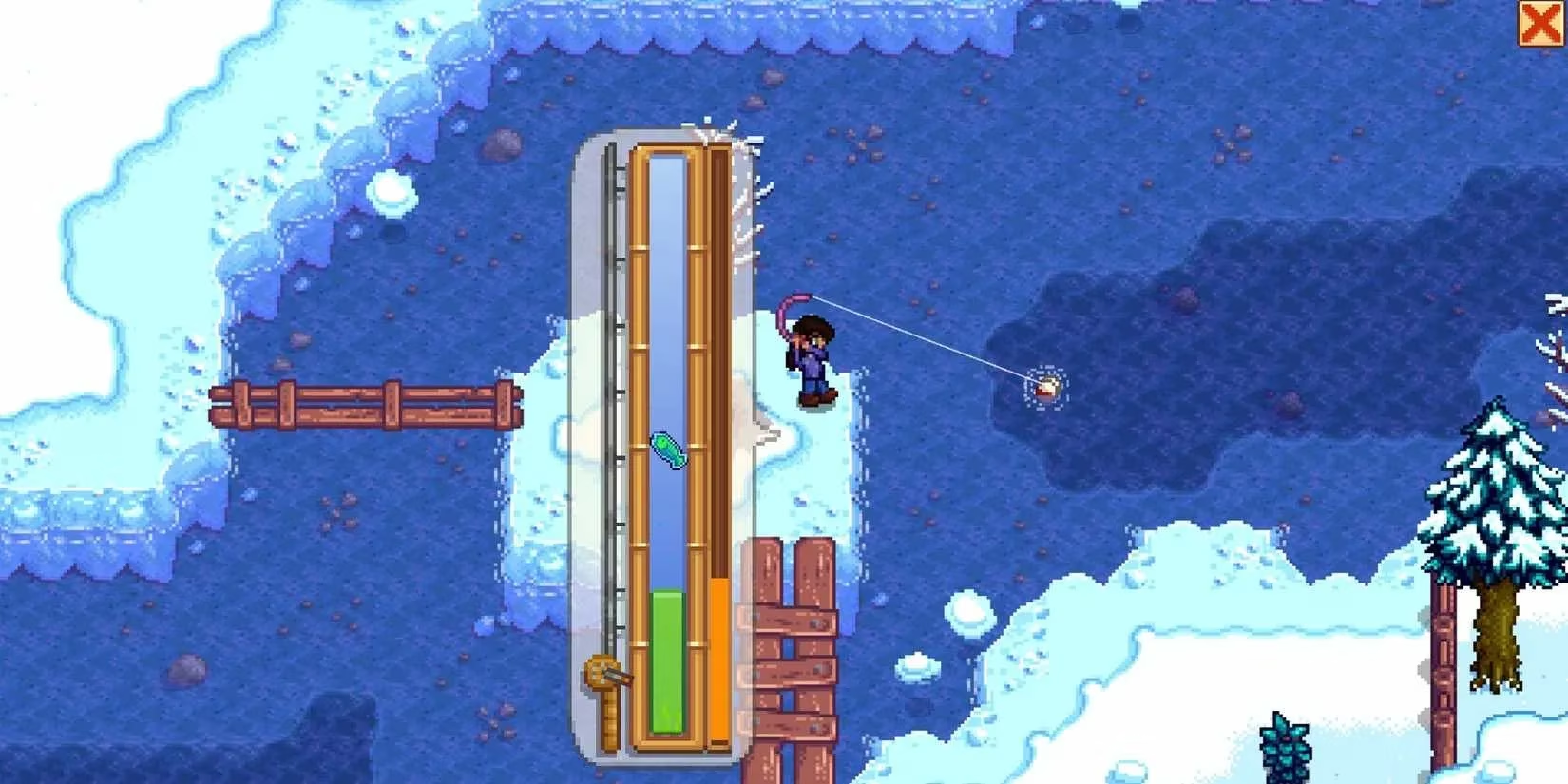
Treat your daily energy bar like a resource to be spent across multiple activities. Don't exhaust it all on watering crops by 10 AM. A balanced day might look like: Farm > Mine > Fish > Gift. This keeps the game fresh and rewarding, day after day.
The Soul of the Game: Community, Festivals, and Romance
Here's the real secret the veterans won't stop talking about: Stardew Valley is a life sim first, a farming sim second. For PlayStation Plus newcomers, engaging with Pelican Town isn't optional fluff; it's core to the experience and packed with benefits.
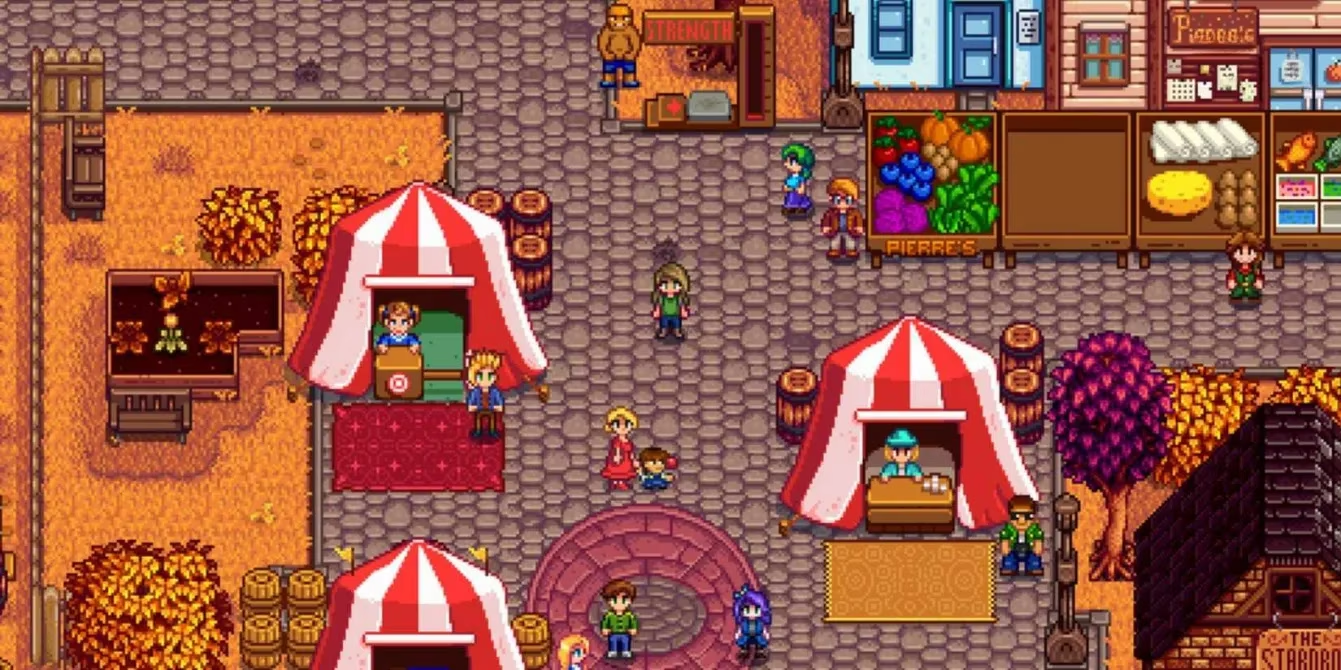
Festivals are Non-Negotiable. Seriously, don't skip them. Post-1.5 updates (and all content through 2026) have made festivals richer than ever. They offer:
-
Exclusive Items: Rare seeds, decorations, and recipes you can't get elsewhere.
-
Massive Friendship Boosts: Talking to everyone at a festival is a huge relationship shortcut.
-
A Break from the Grind: They're fun, vibrant, and capture the heart of the valley. The Stardew Valley Fair, in particular, is a prime opportunity to show off your best produce and win Star Tokens.
Romance is a Practical Pursuit. Think marriage is just for role-play? Think again. A happy spouse becomes a proactive partner on the farm. They will:
-
Water crops.
-
Feed animals.
-
Repair fences.
-
Cook you breakfast (a free, helpful meal!).
This isn't just about cute cutscenes; it's about gaining a tangible, daily helper that automates chores and gives you more time for mining, fishing, or redecorating. It's one of the smartest long-term efficiency plays in the game.
Final Wisdom for the New Generation
As the 2026 class of farmers settles in, the old guard's advice boils down to a few golden rules: Plan your farm with the future in mind, invest in quality over quantity, never waste a day, and truly live in Pelican Town. Stardew Valley doesn't punish you for playing your own way, but it richly rewards those who understand its hidden rhythms. So grab that watering can, say hello to the neighbors, and remember—the best harvest isn't just of crops, but of experiences. Welcome to the valley, farmer. Your new life starts now. :seedling: :pick: :heart: